
The weeks between dive trips are when most regulators quietly pick up the damage that later shows up as a free-flow, a stiff second stage or a gauge that sticks. The good news is that looking after the most important piece of kit you own takes about ten minutes after each dive and a little common sense in the cupboard.

At a glance
- After every dive: dry and seat the dust cap, rinse in fresh water, and never press the purge button unless the regulator is on a pressurised cylinder (Aqua Lung).
- Drying: in the shade, never in direct sun, with hoses coiled loosely.
- Storage: dry, cool, away from heat, UV and chemical vapours, and never left mounted on a cylinder.
- Service: brands differ, from yearly (Apeks manual) to every two years or 100 dives (Scubapro). Check your own manual.
- Hoses: inspect regularly; DAN’s technical writer reports that failed hoses were more than five years old.
Why the gap between trips matters
A regulator does not fail because you dived with it. It fails because salt crystals, moisture, sunlight and neglect got a few months to work on it. Aqua Lung warns that soaking a first stage can cause internal corrosion, degrade hoses and ruin the gauge, and Apeks calls drying and capping the first-stage inlet critical for keeping moisture out. DAN, quoting its Annual Diving Report, says 11 percent of dive accidents are caused by equipment mishaps. Regulators are life-support equipment, so the care is worth the effort.
Where manufacturers disagree below, we say so: the manual that came with your regulator always wins. For the rest of your kit, see our guide to post-dive equipment care too.
Rinsing: the first ten minutes after the dive
Every manufacturer we checked says the same thing: rinse as soon as you can, in fresh water. Here is a sequence that fits the published advice.
- Keep it on the cylinder if you can. Aqua Lung and Apeks both recommend rinsing while the regulator is still connected to a pressurised cylinder. If you must disconnect first, close the cylinder valve and release the pressure before removing the regulator.
- Dry the dust cap and seat it. Aqua Lung suggests drying it with a short blast of air from the cylinder before pressing it firmly over the first-stage inlet. Apeks says to wipe or blow it completely dry first. A wet cap traps moisture against the inlet.
- Rinse the outside of the first stage. Pull back hose protectors slightly and rinse the connectors, inflator hose and gauge to wash away salt.
- Work the second stage. Aqua Lung advises soaking it in lukewarm water, rotating the Venturi lever and cracking-effort knob to clear grit, and swishing it without touching the purge button. Apeks says to soak in warm water not over 120°F (49°C) for at least an hour, preferably pressurised, and flush the mouthpiece and cover openings.
- Avoid the wrong products. Both brands say no solvents, petroleum products or aerosol sprays; Apeks adds no lubricants.
The brands disagree about soaking the first stage. Aqua Lung says never to soak it, while Scubapro says to soak the regulator once the dust cap is screwed down securely. The common ground is a dry, firmly seated cap or a pressurised connection. Follow your manual.
The purge-button rule
Aqua Lung is blunt: do not press the purge button unless the regulator is connected to a pressurised cylinder, because water can enter the internal system. It also warns against high-pressure water on the second stage.
Drying and storing
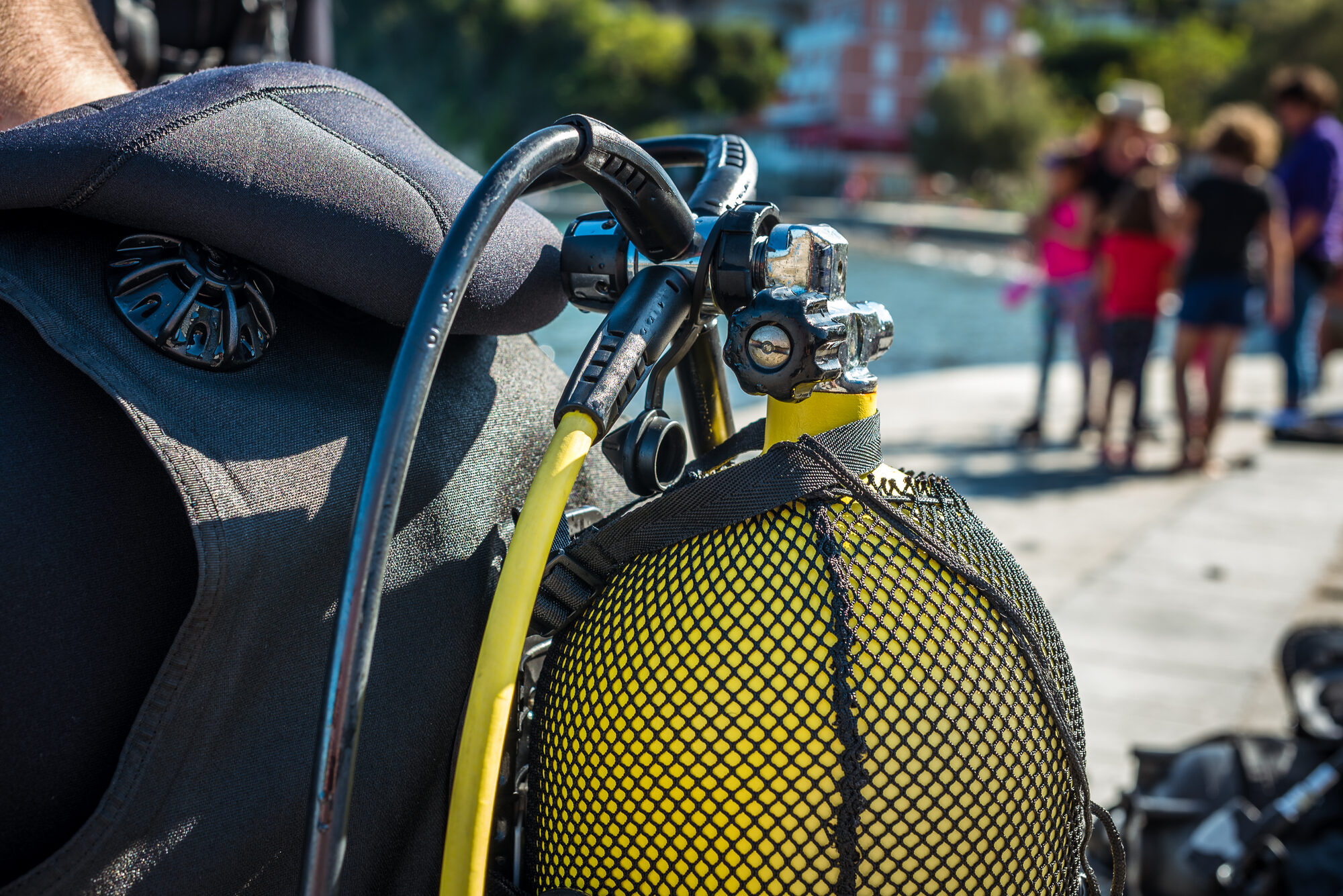
All the sources agree on the basics: dry fully before putting it away, keep it out of direct sunlight because UV degrades rubber, and coil hoses loosely to avoid kinks. Apeks lists extreme heat, ozone from electric motors, chlorine and UV light as things to avoid, and Aqua Lung adds chemical vapours, which can discolour and crack hoses. Never store a regulator connected to a cylinder.
Where the advice splits is hanging. Apeks says to hang it by the first stage so water drains out of the second stage. Scubapro says do not hang it, as that can stress the hose fittings, and Aqua Lung says to lay it flat so the hoses carry no tension. Follow the guidance for your brand.
Apeks says to store it in a clean box or sealed plastic bag, with adjustable models having the inhalation knob turned fully out. For travel, Aqua Lung suggests a protective bag, away from heavy gear that could crush it. Never lift a cylinder by the first stage, and carry a spare mouthpiece and O-rings.
Hoses: the part that ages quietly
In a 2017 Alert Diver article, technical writer Francois Burman explained that all regulator hoses have a limited life whatever they look like. The failed hoses he reported were more than five years old. Braided hoses can look fine on the outside while the inner layer has broken down, and hoses with nylon or polyurethane inner layers appeared most vulnerable, especially in hot climates. He also described yellow crystallised material blocking a hose interior.
His inspection tip is simple. Squeeze each hose every inch or so along its length and feel for any change in resistance. A UK dive shop’s service guide goes further and says manufacturers want hoses replaced every five years. We could not find that statement in the manufacturer manuals, so treat the five years as a prudent guideline and ask your technician. Aqua Lung adds that you should check for cracks, bulges and wear, including beneath hose protectors.
If airflow ever feels restricted, Burman says to stop using the regulator immediately.
How often to service: what manufacturers say
| Brand | What the source says | Where it comes from |
|---|---|---|
| Scubapro | Service by a trained technician every 24 months or 100 dives; heavy users (over 100 dives a year) inspect every six months and overhaul yearly | Scubapro blog guides; Undercurrent 2018 (quoting Scubapro) |
| Aqua Lung | Full service every two years by an authorised technician; visual inspection yearly; check every six months for weekly or pool use; service every six months for chlorinated or polluted water or leased units | Aqua Lung care guide; Undercurrent 2018 |
| Apeks | Manual: factory service at least once a year regardless of use; every three to six months for rental or training use. Undercurrent 2018 reported first stages every two years with second stages inspected yearly | Apeks owner’s manuals (1999 and 2005 editions); Undercurrent 2018 |
| Mares | Undercurrent 2018: two years or 200 dives, with a visual check after one year or 100 dives (previously one year or 100 dives) | Mares SpA via Undercurrent; a UK dive shop gives the same figures |
| Dive-medicine view | Overhaul regulators annually and inspect the gauge annually, while manufacturer guidance takes precedence | DAN |
The picture is messier than a single number. In 2018 Undercurrent corrected earlier advice after finding that newer regulators from several brands had moved to two-year intervals, although many shops still recommend annual service. Check your manual against your dive log, and follow whichever limit arrives first.
A worked example. Dana dives 24 times a year with a Scubapro regulator. In two years that is 48 dives, so the 24-month mark arrives first. Sam dives 60 times a year on the same model, hits 100 dives at around 20 months, and should service then. Under the Apeks manual wording, either diver would service at least yearly.
A service is not a clean. Scubapro describes measuring first-stage intermediate pressure (about 125 to 145 psi, or 8.6 to 10 bar) and second-stage cracking effort, then stripping the regulator, inspecting hard parts, replacing soft parts such as seats, diaphragms and O-rings, always replacing the filter, and testing at low and high pressure. It states plainly that divers should not attempt a complete service themselves.
Signs your regulator needs attention
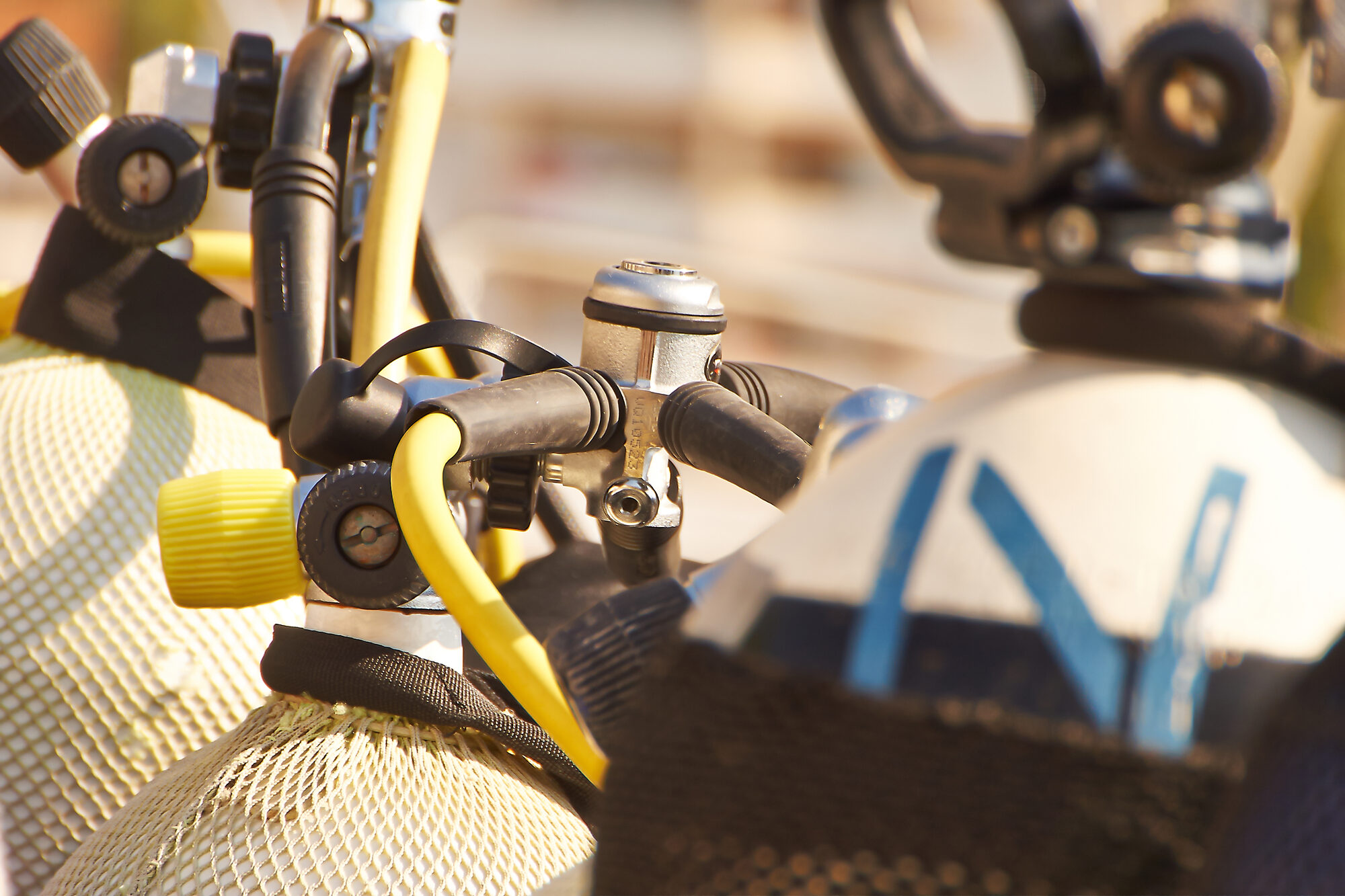
Aqua Lung lists what to watch for between services. Do not wait for the calendar if you see any of these.
- First stage: corrosion or visible damage.
- Hoses: cracks, bulges or wear, including beneath hose protectors.
- Connections: loose fittings that could leak air.
- Mouthpiece: tears, holes or wear. Scubapro also says a mouthpiece leak means it is time to service.
- Second stage: unusual sounds, breathing resistance, or a purge button that does not behave properly.
- Gauge: does not read zero when unpressurised, or reads inaccurately under pressure.
- Filter: Apeks tells divers to report any discoloration of the first-stage filter to an authorised dealer.
Scubapro also describes a quick pre-dive test. With the regulator on a cylinder and the air still off, exhale through the second stage to clear dust, then try to inhale. If you cannot draw a breath, the exhaust valve and main diaphragm are holding. If you can, air is leaking in, water may as well, and the regulator needs a full service. Then turn the air on and check both second stages breathe easily.
Common mistakes and fixes
- Dust cap left wet or loose. Fix: dry it and press it down firmly every time you disconnect.
- Drying on the dashboard or in the sun. Fix: dry in shade with ventilation, since UV degrades rubber.
- Purging on a dry regulator. Fix: only press it on a pressurised cylinder.
- Storing on the cylinder. Fix: remove it and store it dry and loose.
- Ignoring hose age. Fix: squeeze-test and ask your technician about replacement.
- Skipping the pre-trip check. Fix: inspect a month before travel, as Aqua Lung and DiveSSI advise.
- Diving straight after servicing. Fix: test in a pool or confined water first, as DiveSSI suggests. One UK shop notes a second stage may need a small readjustment as seats bed in, and Undercurrent reports that most regulator problems appear on the first dive after servicing.
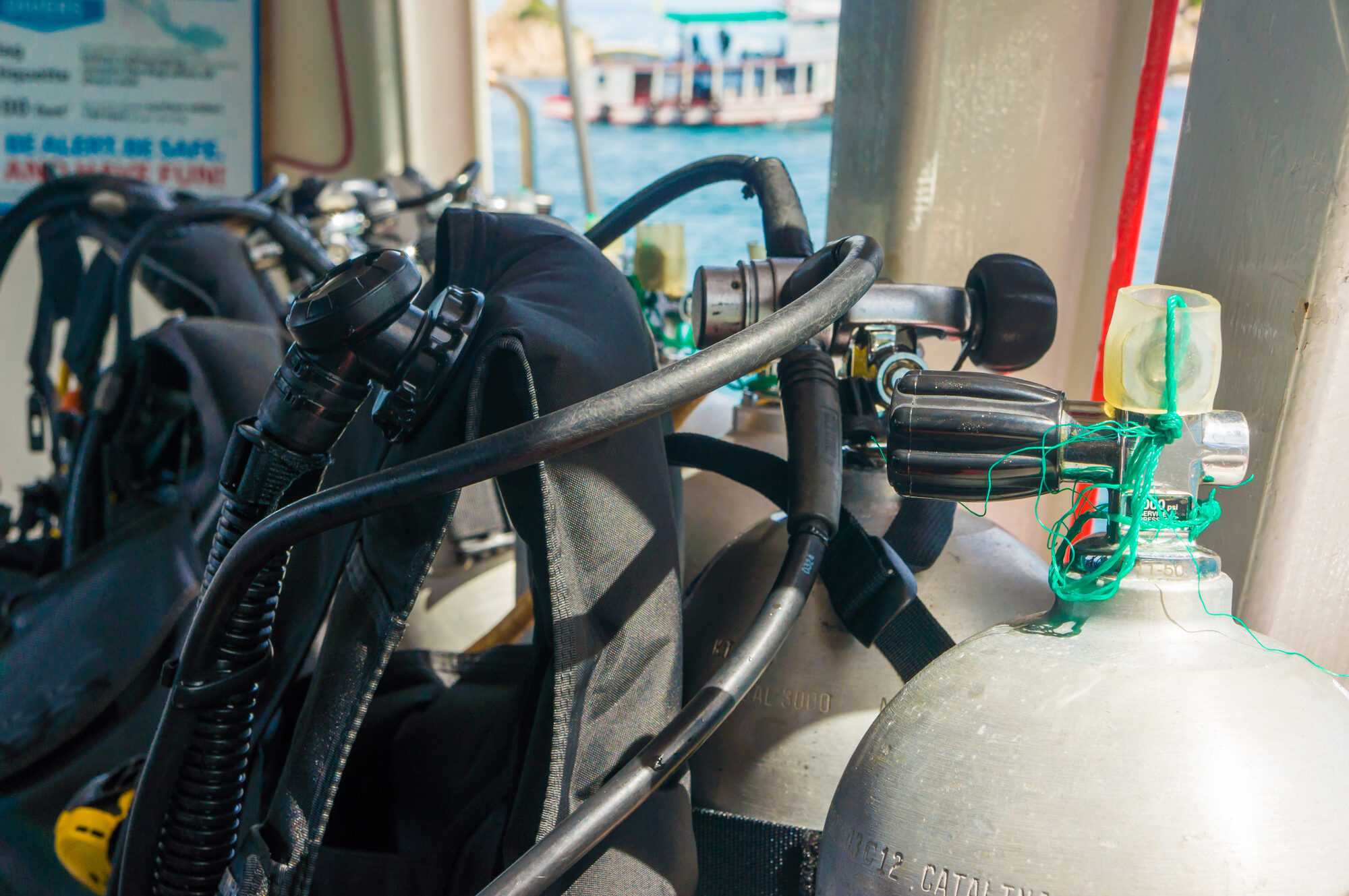
A maintenance checklist you can print
| When | Task | Done? |
|---|---|---|
| After every dive | Dry the dust cap, seat it firmly, then rinse in fresh water (never press the purge button unpressurised) | ☐ |
| After every dive | Rotate the Venturi and breathing-adjust controls while rinsing, clear sand from the mouthpiece area | ☐ |
| Before storage | Dry completely in shade with good airflow; coil hoses loosely | ☐ |
| Before storage | Store dry, cool and dark, off the cylinder; never carry or lift by the first stage | ☐ |
| Every couple of months in storage | Look over hoses, mouthpiece, first-stage filter and gauge | ☐ |
| One month before a trip | Full inspection, leaving time for a technician | ☐ |
| Before the first dive of a trip | Exhale-then-inhale test on the cylinder, air off; then air on and check both second stages and the gauge reading | ☐ |
| Per your manual | Professional service by dive count or calendar, whichever comes first | ☐ |
Good buoyancy control keeps your regulator off the reef, and our diving myths list is a fun read for the journey home.
Frequently asked questions
Do I need to service a regulator I barely use?
Calendar intervals still apply. The Apeks manual requires factory service at least once a year regardless of use, and Aqua Lung suggests inspecting stored gear every couple of months and a month before a trip.
Can I service it myself?
Manufacturers say no. Scubapro states divers should not attempt a complete service, and Apeks says doing so voids the warranty.
Should I carry my regulator in my hand luggage?
Aqua Lung notes that many airlines recommend this. Use a protective bag and check your airline’s rules.
Which interval should I follow when brands and shops differ?
Follow the manual for your model, and the earlier of dive count or calendar interval. For medical or safety doubts, ask a qualified technician.
Sources: Aqua Lung, How to Care for your Dive Regulator; Scubapro, Scuba Regulator Maintenance & Service Guide; Scubapro, Scuba Gear Care; Apeks Regulator Owner’s Manual (1999); Apeks XTX Manual (2005); Undercurrent, Regulator Servicing (2018); DAN, Gear Maintenance; Alert Diver, Hose article (Winter 2017); DiveSSI, Dive Gear Maintenance; Roho, Regulator Servicing.