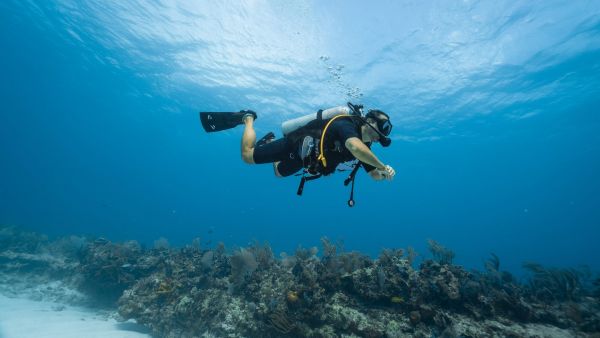
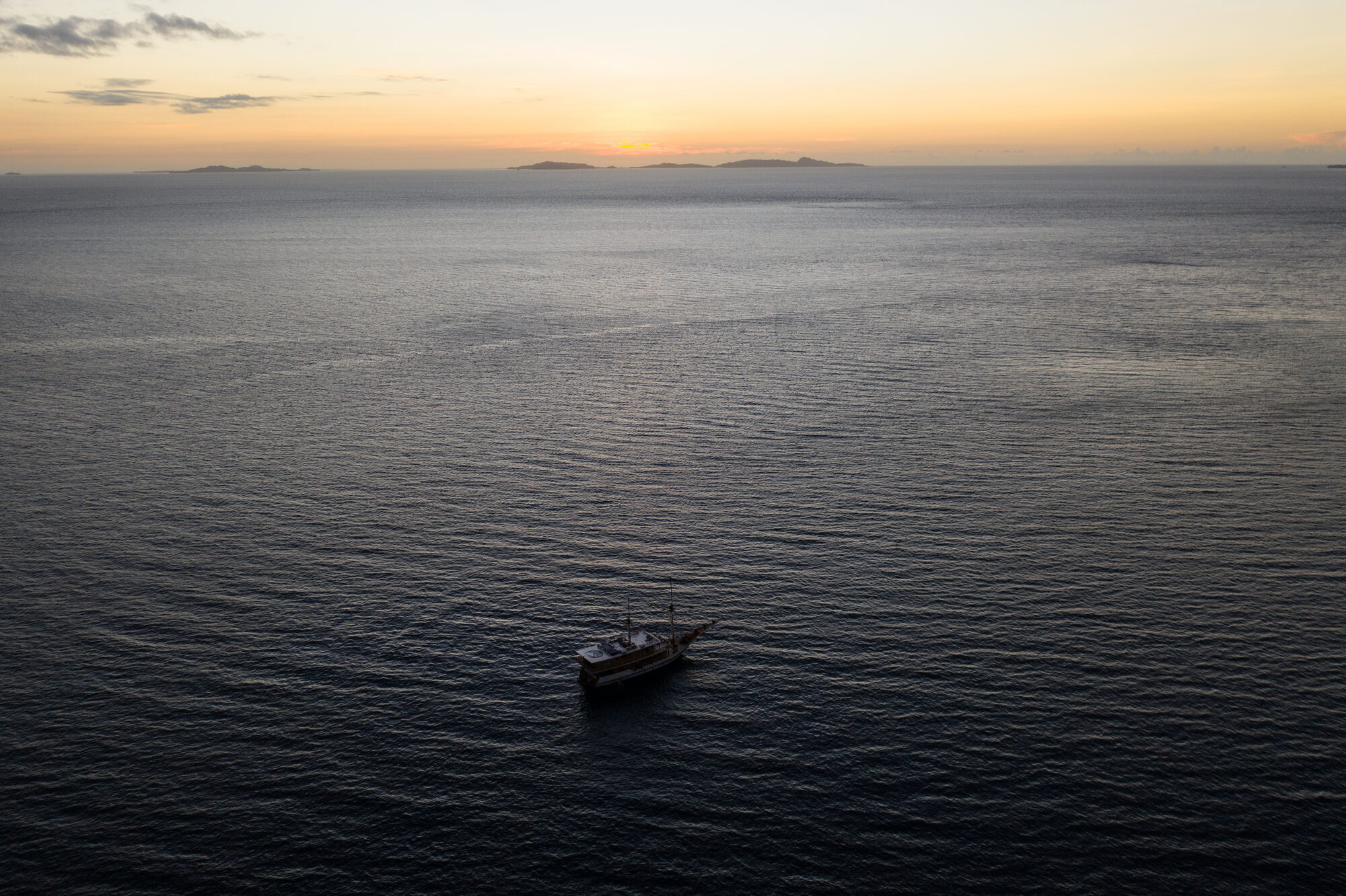
A week on a Red Sea liveaboard means waking up already parked over a reef, dropping in before breakfast, and spending the rest of the day eating, resting and diving again. It is an efficient way to reach Egypt’s famous wrecks and offshore shark pinnacles, but the details (route, season, experience rules and fees) decide how good your week is.
At a glance
- Typical trip: 7 nights / 8 days, with roughly 16 to 20 dives, departing from Hurghada, Port Ghalib or Sharm El Sheikh.
- Two big route families: a northern route (wrecks, Ras Mohammed, Tiran) and southern or offshore routes (Brothers, Daedalus, Elphinstone, and the Deep South reefs).
- Water temperature: roughly 21 to 30 °C (70 to 86 °F) across the year, depending on season.
- Experience: offshore marine-park routes commonly ask for 30 to 50 logged dives; one operator lists Advanced Open Water with a minimum of 10 logged dives. Always check the boat’s own rules.
- Extras to budget for: marine park, port, environmental and fuel fees are often paid on board, on top of the headline price.
Two ways to see the Red Sea: north and south
Liveaboard operators generally split Egyptian trips into a northern route and a southern one. The northern itineraries leave from Sharm El Sheikh or Hurghada and cover the SS Thistlegorm, Abu Nuhas, Ras Mohammed and the Straits of Tiran, where Jackson, Woodhouse, Thomas and Gordon reefs sit. Bluewater Dive Travel also lists the Dunraven and Giannis D among the northern wrecks.
Southern trips leave from Hurghada or Port Ghalib. The headline attraction is Brothers, Daedalus and Elphinstone, often shortened to BDE. DeeperBlue calls this the southern route and notes a related circuit covering Daedalus, Zabargad, Rocky Island and St John’s. Liveaboard.com adds a “Deep South” option from Port Ghalib to Fury Shoals, St Johns, Rocky and Zabargad, and says some routes stop near Marsa Alam, where dugongs are reported.
We cover Egypt only here. Sudan appears briefly in two sources as an optional, longer trip; ask an operator directly if that interests you.
What a typical itinerary looks like
One operator, ZuBlu, runs Hurghada-based 8-day trips. Check-in is at 16:00 at the Sheraton Marina, followed by a boat briefing and equipment selection, and the boat stays in port overnight. Checkout is after breakfast, no later than 10:00. Its sample itineraries are, it stresses, for guidance only.
The sample Brothers trip runs roughly like this: a day-two start at Small Giftun with a zodiac drift; Big Brother and Small Brother on day three; three dives at Daedalus; three at Elphinstone (or Ras Torombi); and a return leg through wreck and reef sites such as Salem Express, Elmina and El Fanous before docking. The sample northern trip instead stacks wrecks and reefs, including Abu Nuhas, Jackson and Thomas reefs, Ras Mohammed, the Dunraven and several Thistlegorm dives.
Master Liveaboards’ BDE trip is seven nights and says itineraries are at the captain’s discretion. Liveaboard.com adds that routes depend on approvals from government, coast guard and marine police, plus weather, so no site can be guaranteed. Treat the plan as a menu, not a contract.
When to go: season, water temperature and visibility
Diving is possible year-round, but the offshore routes have a shorter window. Emperor Divers lists its Brothers and Daedalus itineraries as March to November, and Master Liveaboards’ listed departures run April to November. Bluewater Dive Travel notes that most boats pause in January and gives March to May and September to November as peak seasons. Liveaboard.com calls April to June and September to November the “sweet spots”.
Sources give slightly different temperature ranges, so think in broad bands. Bluewater gives about 21 °C (70 °F) in winter to about 29 °C (84 °F) in summer. Liveaboard.com gives 21 to 30 °C (70 to 86 °F). DeeperBlue puts the spring low at 22 to 23 °C (72 to 73 °F) and summer at 28 to 29 °C (82 to 84 °F).
Visibility also varies by source. Bluewater says typically 30 to 60 m (100 to 200 ft), and World Adventurists reports winter often exceeds 40 m (130 ft). Liveaboard.com’s pages disagree, from 15 m to 70 m. The honest summary: usually good, sometimes superb.
| Time of year | What sources say |
|---|---|
| March to May | Whale shark season (Bluewater); hammerheads and a chance of mantas in late spring (World Adventurists); cooler, around 22 to 26 °C (72 to 79 °F). |
| June to August | Scalloped hammerheads at Daedalus (Bluewater says June to August; Liveaboard.com says June to October); warmest water, up to about 30 °C (86 °F). |
| September to November | Oceanic whitetips and threshers (World Adventurists); DeeperBlue calls October the most reliable month for shark encounters, but also peak tourist season. |
| December to February | Coolest water (about 21 °C / 70 °F), often excellent visibility, strong wreck diving; some boats pause in January. |
What you can see underwater
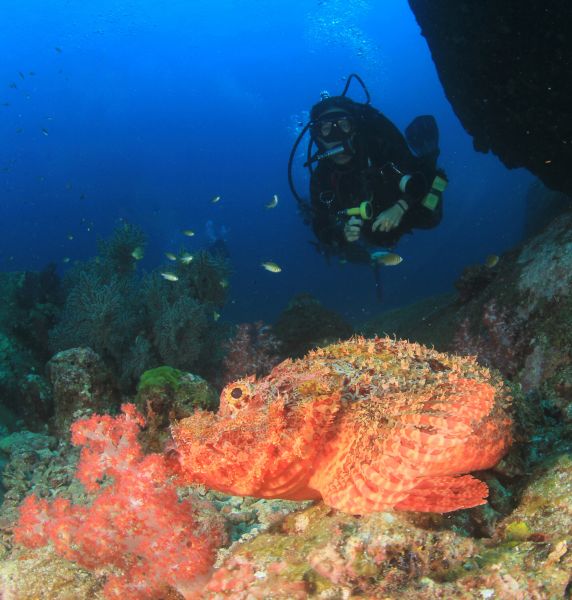
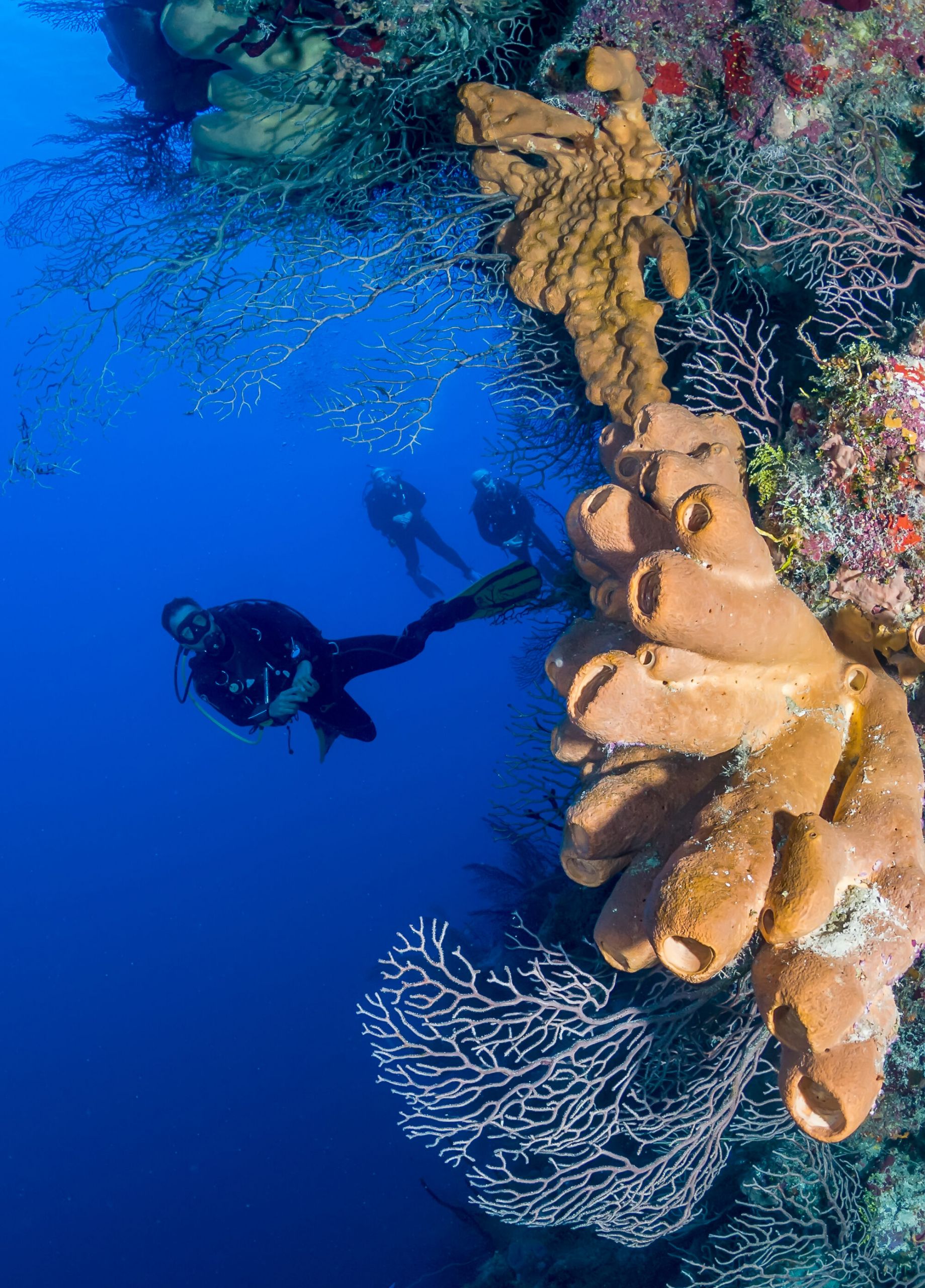
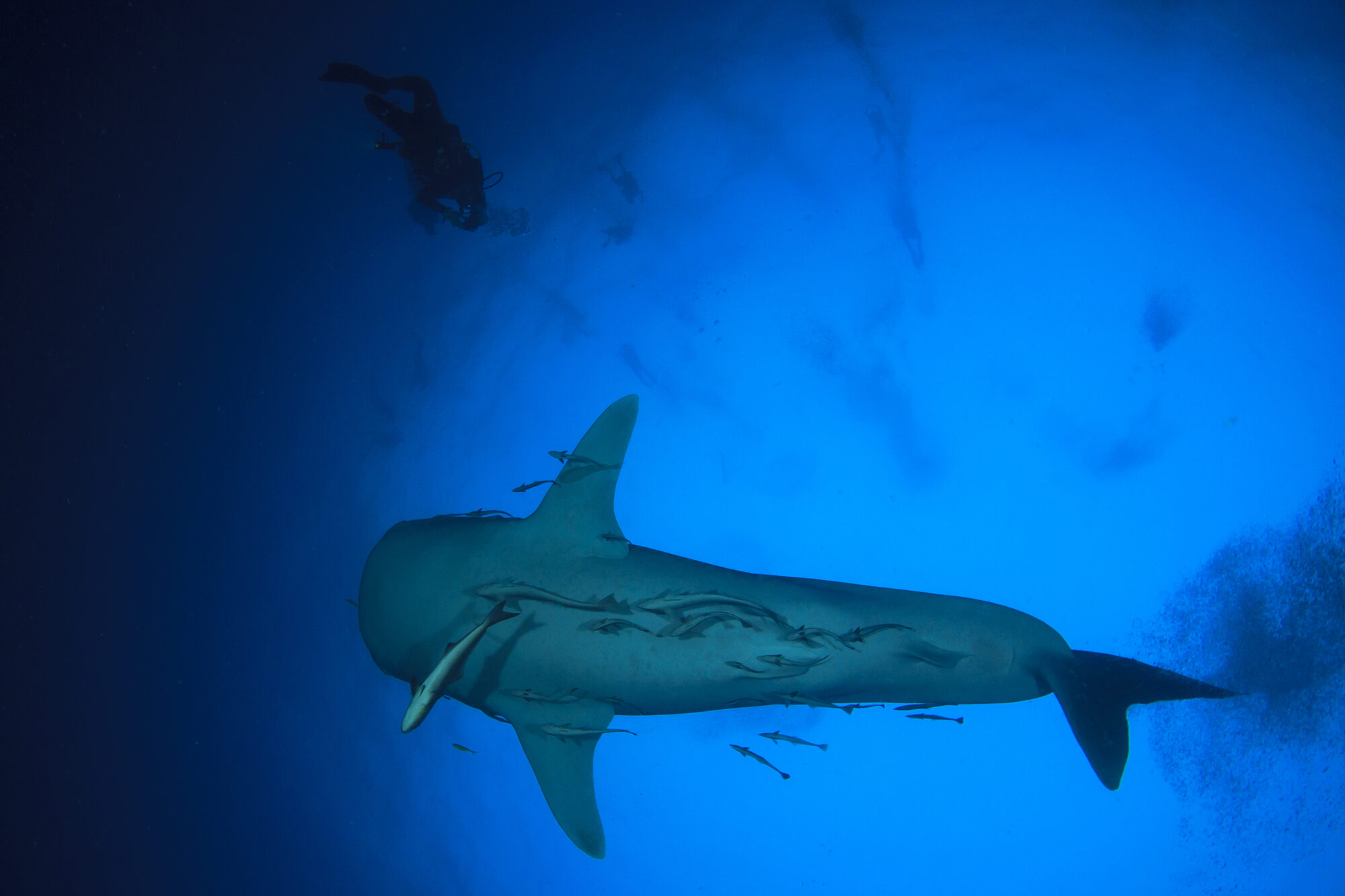
Bluewater cites more than 1,000 fish species in the Red Sea, with about 20 percent endemic. On the reefs you will meet bannerfish, fusiliers, snappers, anthias, lionfish and jacks. Master Liveaboards highlights hammerhead, oceanic whitetip and occasional thresher sharks on the BDE route, and DeeperBlue notes Daedalus has strong currents that attract predators.
The northern route gives you history: the Dunraven sank in 1876 after a fire, according to Divernet, and the Thistlegorm still holds trucks and motorbikes in its holds. Divernet warns that popular wrecks can be crowded when several liveaboards arrive together.
A liveaboard day, hour by hour
Operators differ, but the rhythm is similar. Bluewater says to expect three to five dives per day including night dives; DeeperBlue says itineraries are scheduled for four; Master Liveaboards says up to four daily, about 16 in total. Liveaboard.com says guests usually arrive the day before departure and that a shallow check dive on day one lets guides assess the group.
Bluewater describes buffet meals and calm surface intervals over reefs, and ZuBlu’s boat has a stern dive deck and two 5-metre zodiacs.
Night dives are not allowed inside the marine parks according to Master Liveaboards and DeeperBlue, so do not expect them at the offshore sites. ZuBlu offers night dives most evenings on its northern trips, conditions permitting. ZuBlu includes nitrox up to 32 percent for certified divers, whereas Master Liveaboards charges extra (US$90 for 7 nights). Always ask what is included.
Experience levels and certification
This is where the rules vary most, and where reading the small print matters. Emperor Divers asks for a minimum of 50 logged dives on marine-park cruises to Brothers, Daedalus, Zabargad and Rocky Island, and 20 logged dives for Thistlegorm cruises. It sets a maximum depth of 40 m (130 ft), recommends advanced or deep training for dives beyond 18 m (59 ft), and prohibits decompression, solo and technical diving. It also recommends a skills review if your last dive was more than six months ago.
Master Liveaboards lists PADI Open Water or equivalent with a minimum of 30 logged dives for its BDE trip. ZuBlu’s Discovery I requires Advanced Open Water with at least 10 logged dives, plus dive and travel insurance. DeeperBlue advises Advanced Open Water or equivalent because most of the best sites are deeper than 18 m (59 ft) and currents are moderate to strong.
| Operator source | Stated requirement |
|---|---|
| Emperor Divers | 50 logged dives (marine-park cruises); 20 (Thistlegorm); max 40 m / 130 ft |
| Master Liveaboards (BDE) | Open Water or equivalent, minimum 30 logged dives |
| ZuBlu (Discovery I) | Advanced Open Water, minimum 10 logged dives; insurance required |
| DeeperBlue (advice) | Advanced Open Water or equivalent advised; nitrox helpful |
Sharpen your buoyancy before you go with our ten tips for better buoyancy control, and see our diving myths article if you doubt you belong on a big trip.

Costs and fees
These are snapshots of pages we read, not a quote. Liveaboard.com’s table of regular 8-day trips shows starting prices of US$72 to US$195 per day, and its FAQ gives US$800 to US$1,700 for an 8-day safari excluding flights. Master Liveaboards’ BDE listings ranged from about US$1,220 to US$1,974 for 7 nights. ZuBlu listed its Brothers trip from US$1,262 and its northern trips from US$1,023 to US$1,077.
The fees are the part many divers miss. ZuBlu lists, per person and paid on board, an environmental tax of €45, port fees of €35, a fuel surcharge of €70 and a marine park fee of €25 for northern trips or €100 for the Brothers trip. Master Liveaboards lists a government reef tax of US$90 for seven nights, 14 percent GST on on-board purchases, and rental equipment at US$210 for 7 nights. Bluewater says park fees and gratuities are included in the prices it describes, so compare like for like.
Also budget for tips (DeeperBlue: two envelopes, one for crew, one for dive guides) and the visa, which Liveaboard.com and DeeperBlue put at US$25 on arrival.
Trip planning tip
Ask every operator for a written “all-in” total that lists marine park fees, port fees, fuel surcharge, nitrox and rental gear. A cheaper headline price can end up costing more than a pricier one that includes the extras.
What to pack
- Exposure protection: Bluewater suggests 3 to 5 mm, or 5 to 7 mm in colder months; World Adventurists calls a 5 mm suit standard for most of the year, with a hooded vest for repetitive dives and 7 mm or a drysuit in winter.
- Safety kit: a surface marker buoy and a reef hook, both strongly recommended by Bluewater for drift diving.
- Documents: certification card, logbook, insurance, and a passport valid six months beyond arrival.
- Sun protection, a dry bag and quick-drying clothes in summer.
- Adapters: 220 to 240 V, EU-style two-pin sockets (Liveaboard.com).
- Weights: the Red Sea is very salty, so expect to adjust your weighting.
- Alcohol: DeeperBlue says most boats do not stock it.
Travel safety and marine park rules
Check official advice close to departure. On 11 October 2026, the UK Foreign, Commonwealth and Development Office’s Egypt page showed a last update of 4 August 2026 (entry requirements and regional tensions). It advises against all travel to parts of Egypt and calls the regional situation unpredictable. Its regional risks page advises against all travel to North Sinai and all but essential travel to parts of northern South Sinai, but describes travel to Red Sea tourist areas in southern Sinai as generally low risk. The main page did not mention Red Sea resorts or give diving-specific advice.
The US State Department’s Egypt page, as we read it, listed Level 2, exercise increased caution (issued 15 July 2025), and mentioned multiple fatal accidents on tourist boats along the Red Sea coast, particularly boats on overnight dive trips. Choose an operator carefully, confirm safety equipment and insurance, and recheck advisories before booking.
On the water, the rules we found are operator-set depth limits and no night diving inside marine parks.
Decision table: which route is for you?
| If you want… | Consider | Why |
|---|---|---|
| Wrecks and varied reefs | Northern route | Thistlegorm, Abu Nuhas, Ras Mohammed, Tiran; lower experience thresholds reported |
| Sharks and big pelagics | BDE (Brothers, Daedalus, Elphinstone) | Hammerheads, oceanic whitetips, threshers; typically 30 to 50 logged dives |
| Quieter, warmer reefs | Deep South (Fury Shoals, St John’s) | Turtles, nudibranchs, frogfish; somewhat warmer shoulder seasons |
Frequently asked questions
Do I need Advanced Open Water? Not always. Requirements range from Open Water plus 30 logged dives to Advanced Open Water, and some operators set a 50-dive minimum for marine-park cruises. Ask the specific boat.
How many dives a day? Sources say three to five, with up to four common on offshore routes.
Will I definitely see hammerheads? No. Divernet’s author estimated only about a 25 percent chance of a distant sighting on one northern trip, and sightings depend on season and luck.
Sources: Master Liveaboards; ZuBlu Discovery I; Emperor Divers; DeeperBlue; Liveaboard.com; Bluewater Dive Travel; World Adventurists; Divernet; UK FCDO Egypt travel advice; US State Department Egypt advisory.