
Humpback whales are famous for their epic journeys, so the ones that never leave the Arabian Sea have always stood out. A new genetic study now suggests they are more than an oddity. They may be a subspecies of their own.

At a glance
- The study: published in Frontiers in Marine Science, 2026 (read the paper)
- Led by: Wildlife Conservation Society, Environment Society of Oman, Oman’s Environment Authority
- DNA analysed: mitochondrial DNA from 2,285 humpbacks worldwide
- Proposed name: Megaptera novaeangliae indica
- Status: IUCN Endangered; subspecies name awaiting formal recognition
What the researchers found
The study, published in Frontiers in Marine Science in 2026 as “A whale apart: further evidence for genetic isolation of Arabian Sea humpback whales from other recognised subspecies”, was led by the Wildlife Conservation Society (WCS) together with the Environment Society of Oman (ESO) and Oman’s Environment Authority. The team compared mitochondrial DNA from 2,285 humpback whales around the world and set the Arabian Sea population against the three recognised humpback subspecies: North Atlantic, North Pacific and Southern Hemisphere.
The Arabian Sea whales came out as genetically distinct. Gene flow between them and other humpbacks appears to be very limited, and the researchers’ median estimates put the splits at roughly 43,000 to 113,000 years ago, although the confidence intervals around those figures are wide. The Arabian Sea animals also show the lowest genetic diversity of any region in the study.
One detail adds a historical twist. The researchers analysed DNA from an 1883 specimen collected near Basra, Iraq, held in a Paris collection under the name Megaptera indica. It turned out to be closely related to today’s Arabian Sea whales. Based on this, the team proposes the name Megaptera novaeangliae indica.
The whales have “long been an enigma” to science.
— Dr Rita Amaral, lead author
Why these whales are different
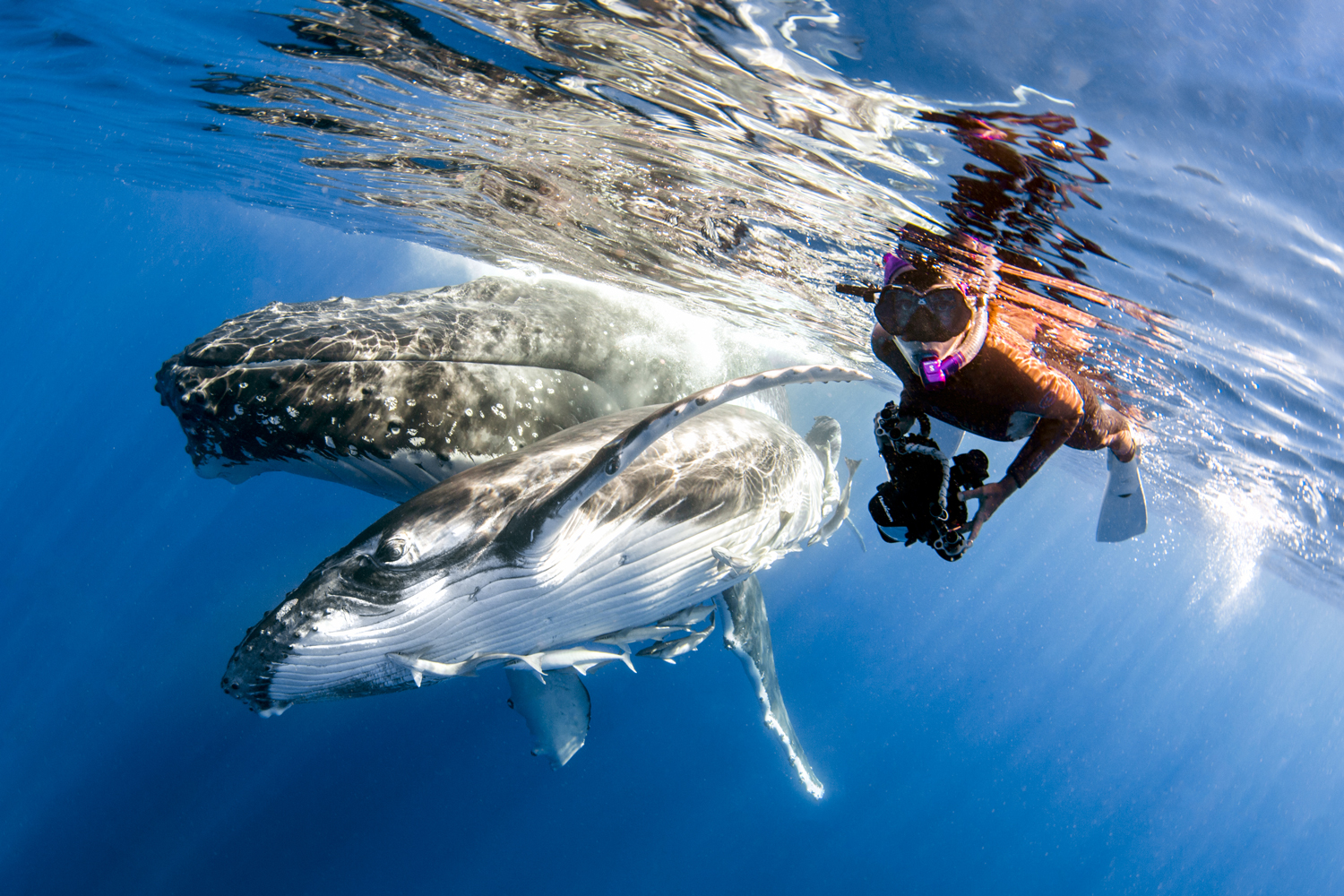
Most humpbacks make long seasonal migrations between cold feeding grounds and warm breeding areas. Arabian Sea humpbacks do not. They are described as the only known humpback population that feeds and breeds in the same region, staying in tropical and subtropical waters off Oman year-round. Their song has so far been detected only in the Arabian Sea.

ESO executive director Suaad Al Harthi, a co-author, points out that the result builds on more than 25 years of work in Oman, from early small-boat photo surveys and tissue sampling to satellite tracking and acoustic monitoring.
A small population under pressure
The news is not all celebration. The population is small, and the researchers report no sign of growth over the past two decades. The IUCN lists it as Endangered. Reported threats include:
- entanglement in fishing gear and vessel strikes
- underwater noise, pollution and disease
- climate-driven changes to monsoons and upwelling that could reduce prey such as sardines
The study calls for regional cooperation and dedicated resources to protect the whales.
What happens next
The subspecies name is a proposal, not yet official. Formal recognition rests with the Society for Marine Mammalogy’s Taxonomy Committee. If it is accepted, the Arabian Sea humpback would become the fourth recognised humpback subspecies, which could strengthen the case for targeted protection.
What it means for divers and ocean travellers
The sources we reviewed do not mention diving or whale-watching guidance, so there is no new rule to report here. Because these whales live in Omani waters all year rather than passing through seasonally, any encounter is with a resident, vulnerable group.

Planning a trip?
Book operators that follow local whale-watching regulations, keep your distance, and check current guidance from Oman’s Environment Authority and the Environment Society of Oman before you go. Photos and sighting reports shared responsibly with local conservation groups also support long-term monitoring.
Sources: the original study, “A whale apart” in Frontiers in Marine Science; news coverage from The National, Popular Science and Muscat Daily.