
Almost every diver who has logged a few hundred dives eventually looks at the twin-tank divers on the boat and wonders what it would take to join them. The honest answer is that technical diving is less a leap than a staircase: a series of small, well-defined steps, each with its own prerequisites, each building habits that the next step depends on. Here is what that staircase looks like in practice, what the training agencies actually ask for, and how to tell whether you are ready to start climbing.
- What changes: planned decompression stops, multiple gases and, eventually, depths beyond 40 m (130 ft).
- First realistic step: a short introduction course that is still strictly no-decompression, or an agency “extended range” program built on deep and nitrox certifications.
- Typical entry points: 25 to 50 logged dives, nitrox certification and strong buoyancy, though each agency sets its own numbers (see the table below).
- Ceiling for most open-circuit courses: 45 to 60 m (150 to 200 ft), depending on gas and agency.
- Biggest hidden requirement: calm, repeatable skills, not a big dive count.
What “technical” actually means
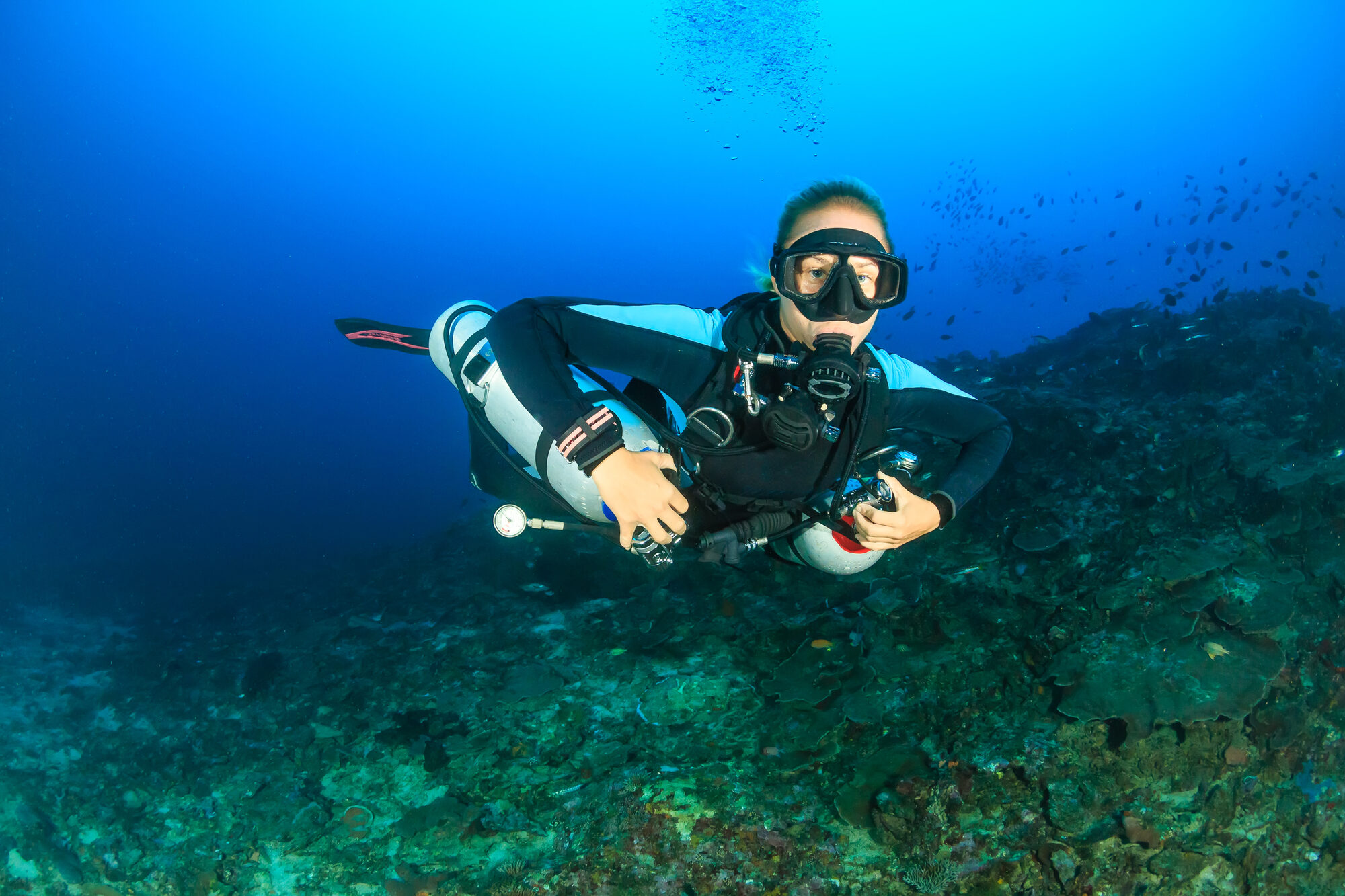
There is no single legal line, but agencies draw it in roughly the same place. Recreational training keeps you inside no-decompression limits, within a depth range you can surface from directly, on air or standard nitrox. Technical diving removes one or more of those safety nets: you plan stops you must complete before surfacing, you carry extra gas for them, and you often breathe different mixtures at different depths. That is why the training emphasises planning, redundancy and team procedures as much as underwater skill.
One useful reframe: technical diving is not “deeper diving”. It is diving where a problem at depth cannot be solved by swimming to the surface. Everything in the training, from doubled regulators to the habit of checking gas at set intervals, follows from that single fact.
The staircase, step by step
Names differ between PADI, TDI, SSI, GUE and others, but the progression looks similar everywhere.
- Solid recreational base. Open Water, Advanced and Rescue-level skills, plus a deep-diving course and a nitrox certification. If you have not already, our beginner’s guide to nitrox covers the basics.
- Introductory tech or extended-range course. Still no-decompression in some programs, but with doubled-tank or stage-cylinder handling and a stricter approach to planning.
- Decompression procedures. Planned stops, switching to a richer decompression gas, and bailout thinking, usually to around 45 m (150 ft).
- Trimix. Helium in the bottom mix to manage narcosis and gas density, opening depths to about 60 m (200 ft) in the programs reviewed here.
- Specialisations. Rebreathers, overhead environments such as caves and wrecks, and deeper helium programs sit beyond this staircase and have their own gates.
What the agencies actually require
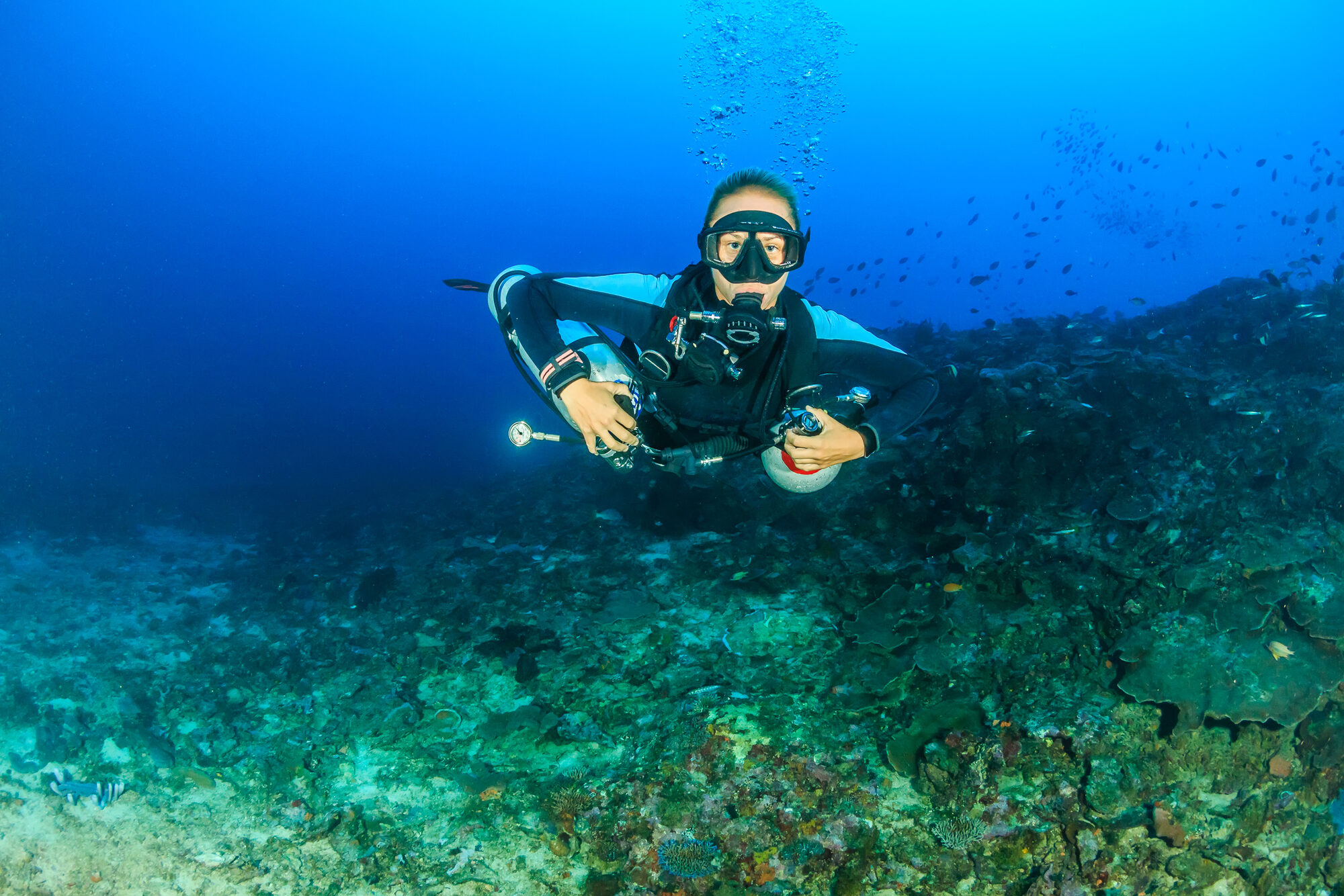
Prerequisites are published in each agency’s standards, and they are more specific than many divers expect. The table below summarises the programs I could read on the agencies’ own pages and standards documents; always confirm the current version with an instructor, since standards are revised regularly.
| Program | Key prerequisites | Depth limit |
|---|---|---|
| TDI Intro to Tech | Open Water certification, 25 logged open-water dives, age 18 (15 with parental consent) | 23 m / 75 ft, strictly no-decompression |
| TDI Advanced Nitrox | Nitrox certification, 25 logged open-water dives | 40 m / 130 ft; gases from EAN21 to 100% oxygen |
| TDI Decompression Procedures | Advanced-level certification, 25 logged dives, age 18 | 45 m / 150 ft |
| TDI Trimix | Advanced Nitrox and Decompression Procedures, 100 logged dives, age 18 | 60 m / 200 ft; at least 18% oxygen in the mix |
| PADI Tec 45 | Tec 40, Rescue Diver, 50 logged dives (10 deeper than 30 m / 100 ft), age 18, physician-signed medical within 12 months | 45 m / 150 ft |
| PADI Tec 50 | Builds on Tec 45; medical form required | 50 m / 165 ft, two decompression gases |
| SSI Extended Range | 50 total dives, Deep Diving and Enriched Air Nitrox 40 (or equivalent) | 45 m / 150 ft |
Two things stand out. First, the dive counts are modest: 25 to 100 dives, not hundreds. Second, the counts are a floor. Instructors routinely turn away divers who meet the paperwork but not the skill, and that is the system working as intended. Our article on gaining experience versus taking more courses explores that tension well.
Skills to polish before you enrol
Course dive counts tell you little about readiness. These are the skills instructors look for in the first session, and each can be practised on ordinary recreational dives.
- Hovering motionless at a fixed depth for a full minute, in any position, without sculling. If this takes effort, work on weighting and trim first, starting with our guide to improving buoyancy control.
- Trim and propulsion: a horizontal body position and a controlled kick that does not stir the bottom.
- Gas awareness: knowing your own gas consumption rate, and checking pressure at regular, pre-agreed points rather than when you remember.
- Calm problem-solving: managing a lost mask or a free-flowing regulator without rushing to the surface.
- Shared planning: agreeing turn pressures, depth and time with your buddy before the splash, then sticking to them.
Choosing your first course: a worked example
Imagine a diver with Advanced Open Water, Nitrox and Deep certifications and 60 logged dives, who wants to do wrecks around 40 m (130 ft). Looking at the table, that diver may already meet the entry requirements for an extended-range style program, and an instructor would likely start with a skills evaluation in a pool or shallow water. If the instructor sees trim problems, the sensible next step is a few weeks of coached recreational diving, not a bigger course. After the first program, the diver faces a genuine choice: build experience at the new depth for a season, or continue straight into decompression training. Both are valid, but the first tends to produce more relaxed divers.
Open circuit or rebreather?
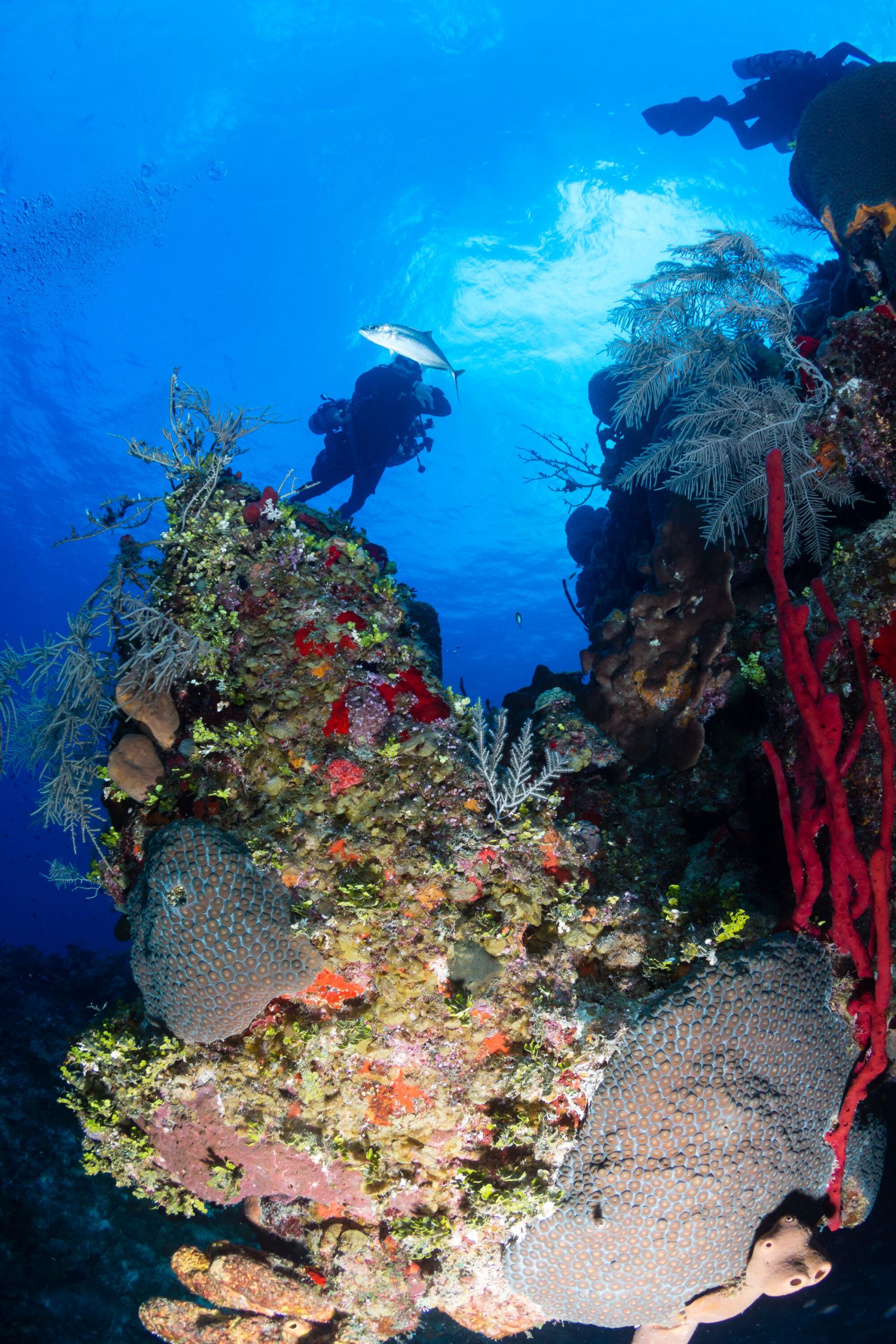
Most divers begin on open circuit with twin tanks or sidemount, because the skills transfer directly from recreational diving and the equipment is simpler to understand and repair. Rebreathers recycle your exhaled gas, which brings long dives and gas efficiency, but they add electronics and a different failure profile. We compare the two routes in detail in Open Circuit or Rebreather: How Should You Start Tech Diving?, and the short version is that there is no wrong answer, only a right order for you.
Common mistakes and how to fix them
- Chasing depth. The goal is a well-managed dive, not a bigger number. Fix: set depth goals only after your current depth feels boring.
- Buying gear first. A rig you do not understand is a liability. Fix: take the course on the agency’s equipment, then buy what your instructor recommends.
- Skipping the medical. PADI’s Tec 45 program asks for a physician-signed medical form within the previous 12 months, and other programs require medical clearance too. Fix: book the appointment before the course, not after.
- Assuming agencies are interchangeable. Prerequisites and gas limits differ. Fix: read the standards and see our piece on crossing over between agencies.
- Treating limits as targets. A DAN-published review of no-decompression limits notes that risk climbs the closer you get to a limit, and that factors such as cold and exertion call for extra margin. Fix: keep a personal buffer well inside what the computer allows.
Being honest about the risks
Decompression illness remains a real possibility even when everything is done correctly. A commentary in DAN’s Alert Diver magazine points out that more than 90 percent of reported cases occur in divers who were within the limits of their computers or tables, so conservative planning matters at every level. Technical diving also adds gas-management and equipment-failure scenarios that recreational diving mostly avoids. Our article on the risks of technical diving gives a fuller picture, and the signs and symptoms of decompression sickness are worth knowing whether or not you ever go tech.
Frequently asked questions
How many dives do I need before technical training?
It depends on the agency. In the standards reviewed for this article the minimums range from 25 logged open-water dives for TDI’s entry programs to 50 for PADI Tec 45 and SSI Extended Range, and 100 for TDI Trimix. Instructors may ask for more.
Do I need nitrox first?
In the programs reviewed here, usually yes. TDI Advanced Nitrox requires a nitrox certification and SSI’s Extended Range asks for Deep Diving and Enriched Air Nitrox 40 or equivalent. PADI’s Tec 45 page lists Tec 40 and Rescue Diver instead, so check each pathway.
What is the difference between decompression diving and trimix diving?
Decompression training teaches you to plan and perform mandatory stops, typically using nitrox or oxygen as the decompression gas. Trimix adds helium to the bottom mix, which is what permits the deeper limits of around 60 m (200 ft).
Can I switch agencies halfway?
Often, but each agency decides what it credits. Ask the new instructor about prerequisites and possible repeat skill evaluations before you book.
Is technical diving suitable for every diver?
No. It requires good health, a medical sign-off for many programs, and a temperament that enjoys planning. This article is general information, not medical advice; talk to a diving physician about your own situation.
Your next step
Pick one agency, read its published prerequisites for the first program, and book a skills check with a local technical instructor. Ask them to tell you plainly what to work on, then spend a season working on it. The staircase is there when you are ready.
Sources: PADI Tec 45 and Tec 45 Trimix; PADI Tec 50; TDI standards for Intro to Tech, Advanced Nitrox, Decompression Procedures and Trimix; SSI Extended Range standards; DAN Alert Diver, A Critical Look at No-Decompression Limits and Third Time’s a Charm. Standards are revised periodically; confirm current requirements with an instructor.