
Jun 28

Cold Water Diving pt.2

By Graeme Contributor

Graeme is an experienced and well trained diver, with PADI Divemaster and Master Scuba Diver status in addition to CAUS Scientific Diver Lv.2 and being a Canadian standards (CSA Z275.4-02 and CSA Z275.5-05) trained commercial scuba and surface supply diver. Currently employed as a commercial diver in the interior of British Columbia, he is always looking to improve his skills, gain new qualifications, and do as much diving as possible!

Click here to read pt 1. 

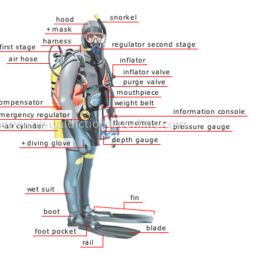
Last time around we covered exposure protection, this time around I'll be covering buoyancy control devices, regulators and computers. While warm water gear can and will work under most cold water circumstances, there are a few things that make having a set of cold water specific gear more desirable.
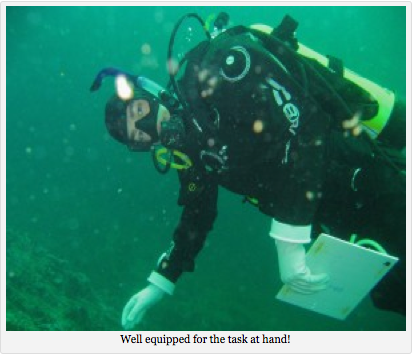
 
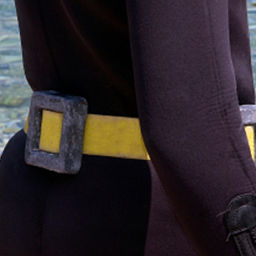
Buoyancy control and weight are interlinked and inseparable in diving, and more so in cold water. Mostly because you need more weight to sink than you would in the tropics, and depending on how much you need, you might not want to have it all on your waist! Weight integration is common in the heavier, more versatile BCD's you'll see being used by cold water divers. A combination of weight belt and integrated weights can spread the weight you're using more evenly on your body, taking the strain off your shoulders (especially if you're shore diving!) and equipment. Ankle weights might be handy as well, particularly for drysuit divers, where your feet can get irritatingly buoyant at the least opportune times. Experiment with weights until you find the best combination for comfort and trim in the water. Also ensure your BCD is rated for the amount of weight you want to put in it, as repairs can become quite costly.


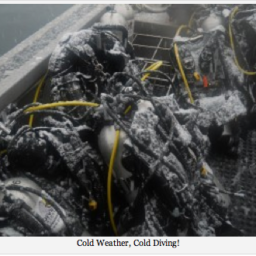
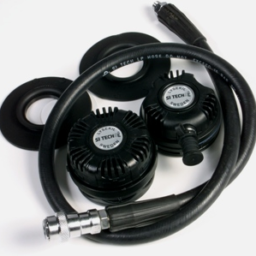
Regulators for cold water diving are generally a little more robust than dedicated tropical ones, and often feature designs made to limit potential freezing or icing up under most normal circumstances. In addition, they almost always balanced regulators (that's a whole other article, just trust me, balanced is way better and safer than unbalanced). Your first stage should have at least five attachment points for hoses (2nd stage, octopus, gauges, BCD, drysuit), or more if you plan on having redundant gauges. Ensure your equipment is rated for the temperatures and depths you want to dive to before you hit the water, and you'll save yourself and your dive buddy a lot of grief. Regular maintenance on your regulators is strongly advised, as foreign debris, normal wear from transport and storage and heavy use can contribute to failure.

Computers are becoming ubiquitous these days, with many divers having them immediately and then never looking at a table again until they decide to go pro or go tec. Most computers have working tolerances well within cold water temperatures, but it never hurts to check. If you're planning to do ice diving or similar activities in the extreme cold, you definitely want to check your computer's manual to ensure its rated for the dive you're planning. If you can, pick a hardy model that can take a bit of abuse and is easily used with numb/gloved/lobster mittened hands and fingers. The last is probably the most important, since being able to work your computer is, well, essential.

That wraps up the second instalment on this series, where we've covered the basic equipment for cold water dives. The final article will be covering peripheral gear (lights, compasses, knives etc...), as well as some tips and tricks for pre and post dive activities plus a few things to do on your dive! Good luck and good diving!

Click here to read pt. 3

Latest entries
Jun 19

Diving Bucket List #12 – Coron Island, Philippines

thumbnail

One of the best wreck diving areas around, Coron Island offers six large, intact WWII ships, a few smaller ones, and one of the most unique lake dives in the... Read More

Jun 18

Night Diving 101

thumbnail-1

If you have not yet experienced the ocean at night, we highly recommend it.  You can see creatures and behaviors not normally seen during the day.  The whole experience is... Read More

Jun 16

What are the Benefits of Diving?

diver

For some it´s the adrenaline rush of the exploring the deep waters, for others it´s the beauty of the reef and the marine life that inhabits it. There are many... Read More

Jun 15

Who are the Diving Divas

DivingDivas2

Diving is one of the best sports to meet new friends and continue the camaraderie into the future building lasting memories and long-term friendships. You could not find a better... Read More

Jun 13

Dive Safety: Hydration

water-hydration

While you were taking your open water or other course(s), I’m sure the importance of hydration while diving was mentioned. But how much was it stressed? Everyone knows that being... Read More

Jun 12

What is Phytoplankton?

photoplankton

Phytoplankton are microscopic organisms which contain chlorophyll and require sunlight in order to live and grow. Most phytoplankton are buoyant and float in the upper layers of the ocean, where... Read More

Jun 11

Mantis Shrimp battles for it’s life in the arms of a flamboyant cuttlefish!

mantis-fight

The mantis shrimp is one of natures most impressive predators. It can spot and target potential prey using the most sophisticated pair of eyes in the animal kingdom. It can see... Read More

Jun 10

A New Addition to the USS Mohawk

Artwork on Mohawk

Close to this time frame in 2012, the decommissioned Coast Guard Cutter,uniquely built with wooden decks and known as the USS Mohawk, was sunk in 90 feet of water approximately... Read More

Jun 9

Indonesia Shark Petition

thumbnail

Together with the Ministry of Fisheries and Marine Affairs, WWF Indonesia, launched a shark campaign in May! The campaign objective is two-fold: To stop selling of shark products in supermarket... Read More

Jun 7

BARE Adventure Series. Episode 3. Win the Ultimate Adventure

bare

Win the Adventure! Deadline for contest submissions: June 10, 2013 Share your best adventure story to win the same trip shown in BARE The Adventure's "Destination Tahiti" episode: a dream... Read More