

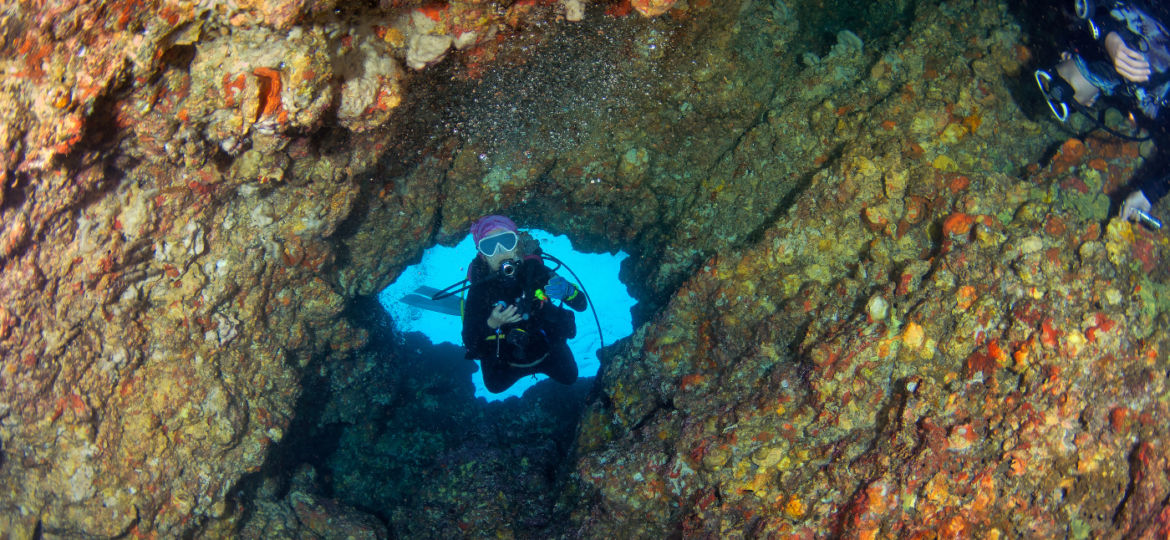
If you’re planning a dive trip, what decisions might you have to make? And what information should you use to choose a suitable destination?
Search Results "training fundamentals"
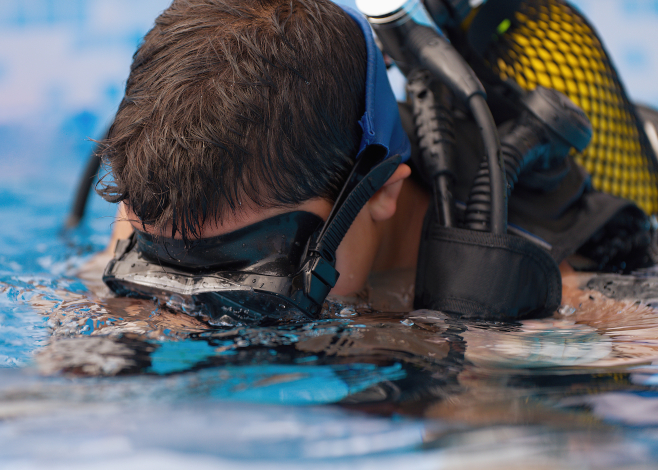
Dealing with water up your nose can be a significant hurdle for divers, both physically and psychologically. How do you deal with it?

It’s sometimes easy to succumb to peer pressure and make a dive when we really shouldn’t. When is the right time to abort a dive? What are the tell-tale signs?

Each qualification has recommended dive limits for depth or activity. Why are the limits there? Why is it wise to follow them?

Scuba diving can be a physical sport, placing demands on cardiovascular fitness and strength. But does scuba diving burn calories?
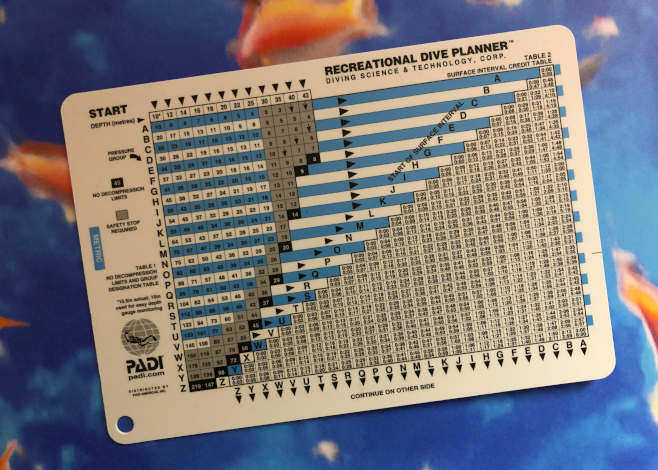
As scuba diving moves forward and technology develops, is there still a place within diving for traditional dive tables?
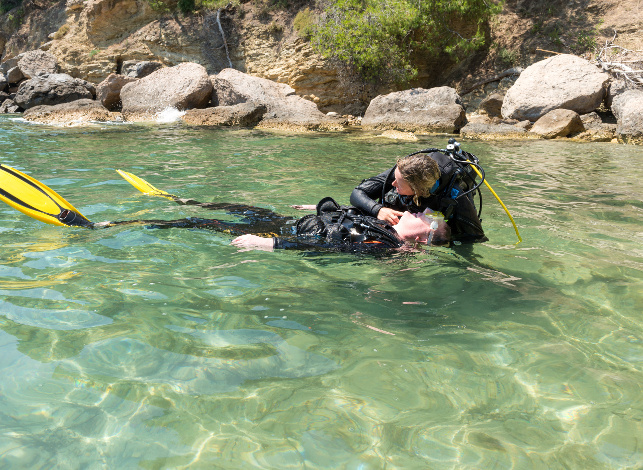
The rescue diver course is a key step in a diver’s development. How will you know when you’re ready and how can you prepare?
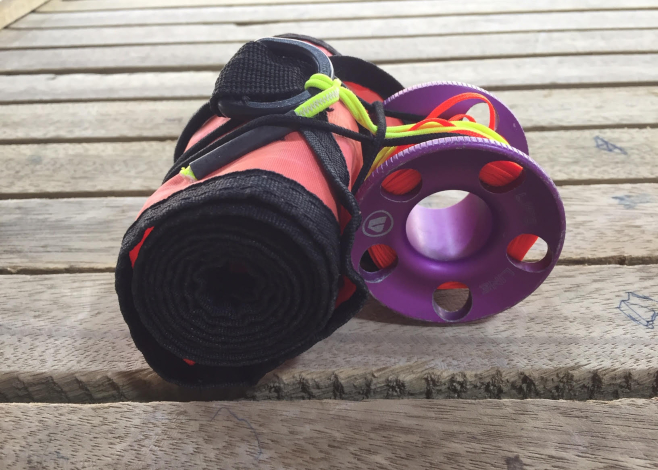
Surface signaling devices are an essential piece of diving equipment. In what circumstances might you use one and what options are available?

Becoming a better scuba instructor is an ongoing process. What makes a good instructor and how do you improve?

Good buoyancy is the cornerstone of good diving. Learn how practicing peak performance buoyancy will make all your dives better.

The PADI Discover Scuba Diving experience is the first taste of blowing bubbles for many people. Why is it so popular and what are the benefits?

We often hear the phrase ‘task loading’ in dive training. What exactly is task loading, and how do you avoid it?

Some divers recommend that you burn your new mask to remove the protective film and alleviate fogging. But is that safe or wise?

Scuba accidents are thankfully relatively rare. However, some places have reputations as dangerous dive sites. Why? Should we be diving them?

There are many ways to board a dive boat at the end of your dive. In some areas of the world, ‘diver lifts’ are commonplace. What are they?

Getting into your wetsuit can be a test of balance and endurance. How can you make the process easier?
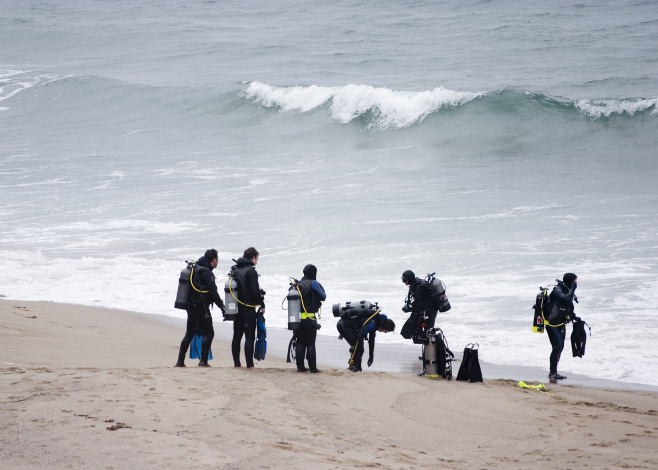
Scuba diving is extremely safe when you’ve learned the right skills and have the right attitude. Part of that is knowing when to skip a dive. When and why would you do so?
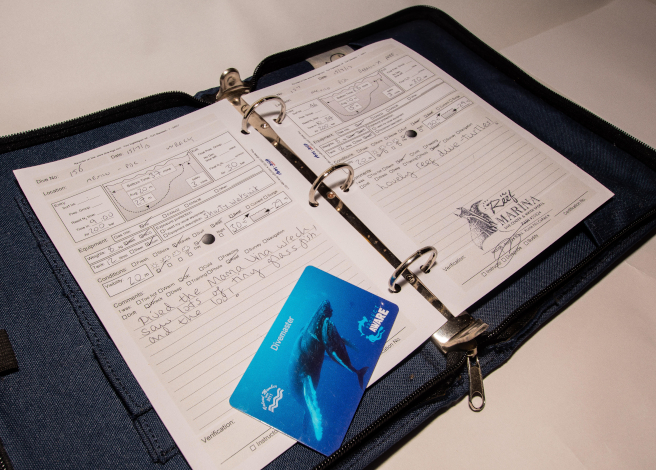
It’s a common debate among divers: to keep or not to keep a dive log. Do you log your dives? Why is (or isn’t) logging dives important?