
With most inventions, evolution provides added benefits and features to a user, perhaps think about how cars have evolved from simple automated machines, like the Ford T-model (in any colour you want as long as it’s black!), that originally served a purpose of transportation, to the personalised vehicles they are today, that not only allow a user to travel from A to B, but to do so with greater safety, comfort, and enjoyment along the way.

Or perhaps consider the first cellphones/mobile phones that came onto the market in the 1980’s, originally very expensive, cumbersome, and lacking style such as the old Motorola ‘brick’, but they allowed the user mobile communication, which today’s cellphones and I-phones still do, but with added style, more compact, user friendly, and many additional benefits and features, they are more than just communication devices, but they support a lifestyle.
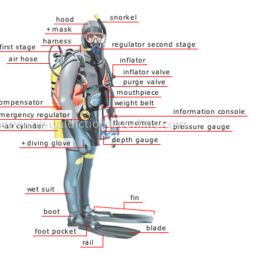
If we think about the way that as scuba divers we dive, not much has changed in over 40 years since the Grandfather of recreational scuba diving, Jacques Cousteau invented the aqualung, although equipment has gotten fancier, with more styles and options and dive computers and digital cameras are commonplace, the actual concept of recreational scuba diving has remained, the same, we carry a steel or aluminium tank with a regulator attached, we deplete an air supply and lose body heat/hydration whilst rapidly loading our tissues with nitrogen and then being forced to surface without incurring a decompression obligation, sometimes cutting our dives short even though air supply might remain.
We often travel thousands of miles on international air transportation, at significant cost,
and have short dives, as an observer on beautiful coral reefs, and yet for many of us, we are unaware of how we can enhance our dive experiences. Well finally the recreational scuba divers equipment has evolved to allow them to dive the recreational closed circuit rebreather, safely, in style and with much greater benefits underwater, so now you can really enrich and enhance your dive experiences over noisy open circuit scuba.
The word and concept of a ‘rebreather’ has been around even before the traditional open circuit scuba system, yet in recent years advances in technology have made rebreather units more accessible to recreational divers, and the dive industry training agencies have now developed training programs and courses that allow recreational sport divers to learn how to safely dive rebreather units and get more from their dive experiences.
The current buzz word in recreational diving today is ‘rebreathers’ but whilst todays buzzword, recreational closed circuit rebreather diving is here to stay, and will be more commonly seen at local dive sites, in tropical resorts, on live aboard boats, and at dive center training facilities.
The philosophy is to allow closed circuit rebreather diving, for recreational divers, and to allow the benefits of closed circuit rebreather diving, with extended dive times, and simplified dive preparation and planning as compared to closed circuit technical rebreather divers. Recreational rebreather diving is limited to 30 meters/100ft and no stop times, and has the option for immediate bail out to open circuit scuba on board unit.
There are several recreational rebreather training programs available on the market today through local dive centers and resorts, but probably the most popular one is the PADI recreational closed circuit rebreather course which utilises the most user friendly and convenient unit on the market, the fully automated Poseidon MKVI and is the most exciting development in the recreational scuba diving industry since Cousteau invented the Aqualung/Open Circuit regulator. At just 18 kilos (39.6 lbs.) fully gassed up and ready to dive, the Discovery MkVI weighs less than many dive tanks weigh on their own. And minus tanks and canister, it weighs just 8 kilos (17.6 lbs.), making it easy to travel with and many resorts and centers worldwide are now stocking the MKVI for rental use.
For divers interested, training can be completed in 3-4 days, but why dive a rebreather?
The benefits of diving with a closed circuit rebreather over traditional open circuit scuba include;
Longer dive times with extended gas consumption, and longer no decompression limits.
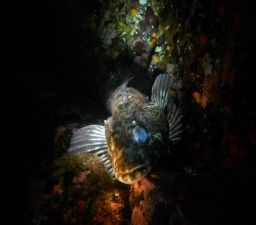
Less noise, no bubbles and the ability to become a part of the aquatic realm, not just an
observer, fish and other creatures will come close to check you out!
• More enhanced photos and videos of aquatic life as you can now get much closer to your
subjects.
• Stay warmer longer as less body heat is exhaled.
• Divers who do not want to go tec but want the benefits of extended times underwater.
• Or a foundation for tec rebreather training though there are hundreds of thousands of
recreational divers who have no desire to go deeper or into decompression that can
improve their diving with these units.
Rebreather diving, is simply put, scuba on steroids!
Here is a link to some amateur footage I was fortunate to shoot on a recent dive trip to the Galapagos Islands, and whilst my friends on open circuit also saw the same aquatic life that I did, my experiences were more akin to the difference from watching a movie in 2D to 3D!!!!
For divers interested in rebreather diving contact your local PADI dive center to see what
training they may be able to offer.